Jekyll2024-10-24T07:41:02-07:00https://cristhianjaramillo.com/feed.xmlCristhian’s Homepagepersonal descriptionCristhian Jaramilloc.a.jaramillo-huaman@lse.ac.ukWhat is behind authoritarian nostalgia?2024-09-18T00:00:00-07:002024-09-18T00:00:00-07:00https://cristhianjaramillo.com/posts/2024/09/fujimori-death
“Not only in Peru, but in other countries, former dictators are remembered with nostalgia, and some even argue that, under their mandate, economies were more solid, crime was controlled or better “values” were promoted (…) omitting the devastating consequences that these governments have had.”
Photo credit: Mbzfotos/Shutterstock
This text was originally published in Spanish in the Mexican newspaper 'El Universal.' If you wish to read the original article, you can do so here.
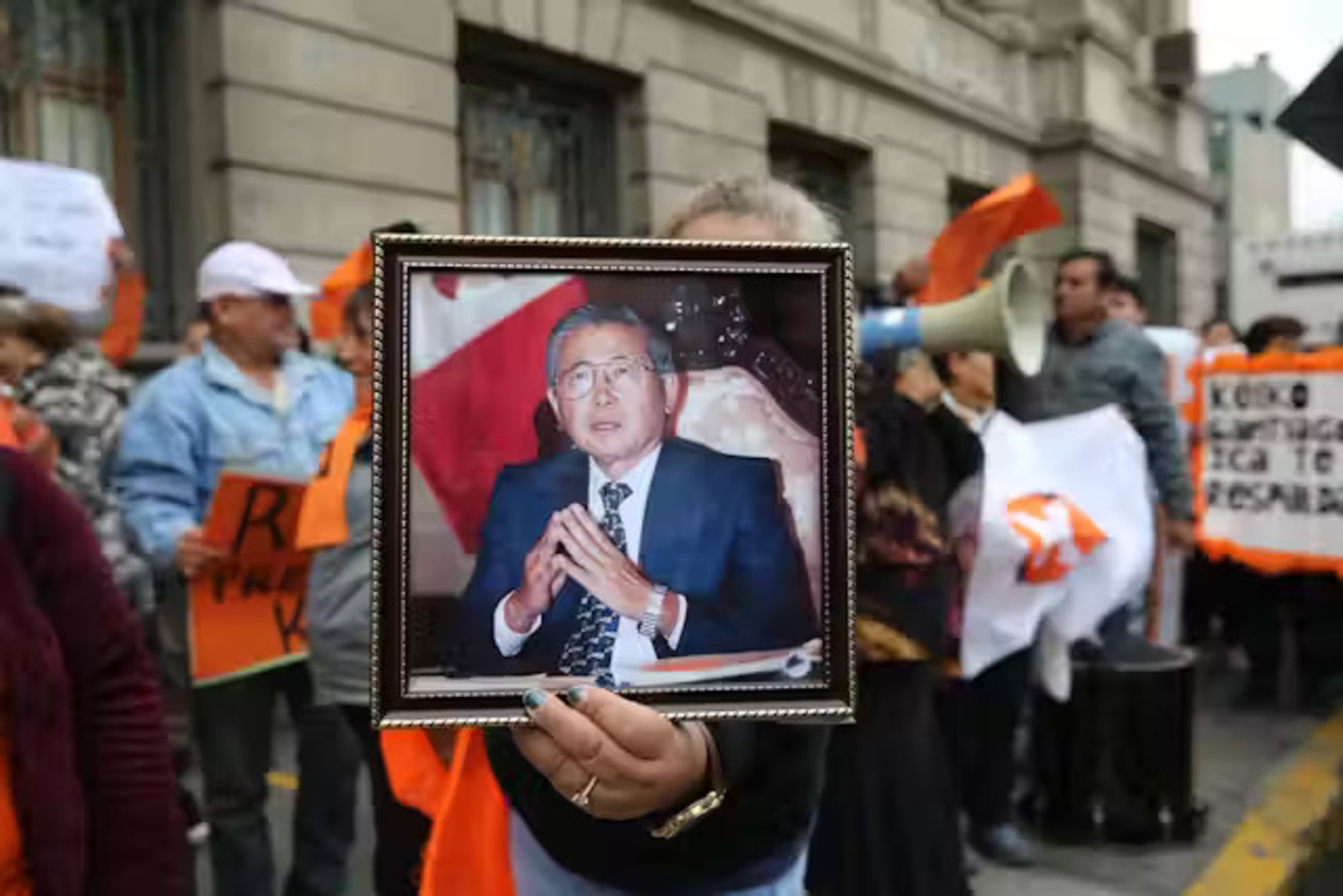
The death of Alberto Fujimori, the last Peruvian dictator, has sparked an interesting debate both in his country and across Latin America. His government, democratically elected in 1990, soon became an authoritarian regime, marked by a self-coup against Parliament in 1992, intervention in the Judiciary, the Public Ministry, and the Constitutional Court, along with severe human rights violations and high levels of corruption. Despite these abuses, a portion of the public continues to view his administration as moderately successful, particularly in areas such as economic stability and the fight against terrorism.
This stance reflects a dangerous tendency to idealize authoritarian governments under the terrible excuse that “the ends justify the means.” Not only in Peru but also in other countries, former dictators are remembered with nostalgia, and some even argue that under their rule, the economies were stronger, crime was under control, or better “values” were promoted. However, this kind of rationalization ignores the devastating consequences these governments have had on democratic institutions and human rights; the kidnappings, tortures, murders, and disappearances are quickly forgotten. Worse still, the abuses of current governments in power are still justified by a supposed priority of other sectors, such as the economy or security. This is a perverse trade-off, as if solving a country’s economic problems gives a blank check to govern without accountability.
To understand why certain authoritarian governments continue to be admired or supported, it is crucial to ask whether the public truly values democracy itself. According to the Latin American Public Opinion Project (LAPOP), support for democracy in the region has steadily declined over the past decade. In 2023, only 59% of respondents expressed their support for this system, a worrying figure that reflects the disenchantment of citizens with a system that, for many, seems unable to solve fundamental problems.
This discontent is exacerbated by the inability of traditional parties to address basic issues such as inequality, insecurity, and economic crises. Countries like Argentina, Bolivia, Peru, Guatemala, El Salvador, and Venezuela have experienced, and continue to experience, deep crises that have driven sectors of the population to prefer options in favor of a “strong hand.” The popular Peruvian phrase “he steals, but he gets things done” unsettlingly sums up the logic of an electorate that, in the face of total crisis, is willing to sacrifice fundamental rights for minimal order.
The political class has tried to respond to these challenges with both political and electoral reforms. According to the Observatory of Political Reforms in Latin America, in the Lower Chamber’s electoral system alone, 19 countries in the region have made 91 modifications to their laws, with Ecuador (13) and Peru (11) leading the way. However, this hyper-reformism hides two extremely naive assumptions: first, changing the rules does not automatically transform the behavior of citizens; and second, legal changes do not immediately translate into perceivable improvements, and as a result, they are seen as ineffective.
The challenge, therefore, is much deeper. Reforming political systems is necessary to strengthen democracy, but it is essential to understand that the effects will be evaluated in the long term. Reforms require time to take effect and must be accompanied by a solid implementation and monitoring strategy. Moreover, it is crucial to have strong political parties that not only understand the basic needs of the people but are also committed to addressing them effectively. Only in this way can the dangerous nostalgia for authoritarian regimes be combated, and democracy be seen not as a lesser evil but as the most suitable system for facing the challenges of the future.
]]>Cristhian Jaramilloc.a.jaramillo-huaman@lse.ac.ukElectronic voting: advancing at a prudent pace2024-08-16T00:00:00-07:002024-08-16T00:00:00-07:00https://cristhianjaramillo.com/posts/2024/08/electronic-voting
“Electronic voting, whether in-person or remote, is the technological promise to modernize elections worldwide. Speed, accuracy, and inclusion are the key words for this tool, designed to address the logistical challenges of traditional elections.”
Photo credit: ONPE
This text was originally published in Spanish in the Peruvian newspaper 'El Comercio.' If you wish to read the original article, you can do so here.
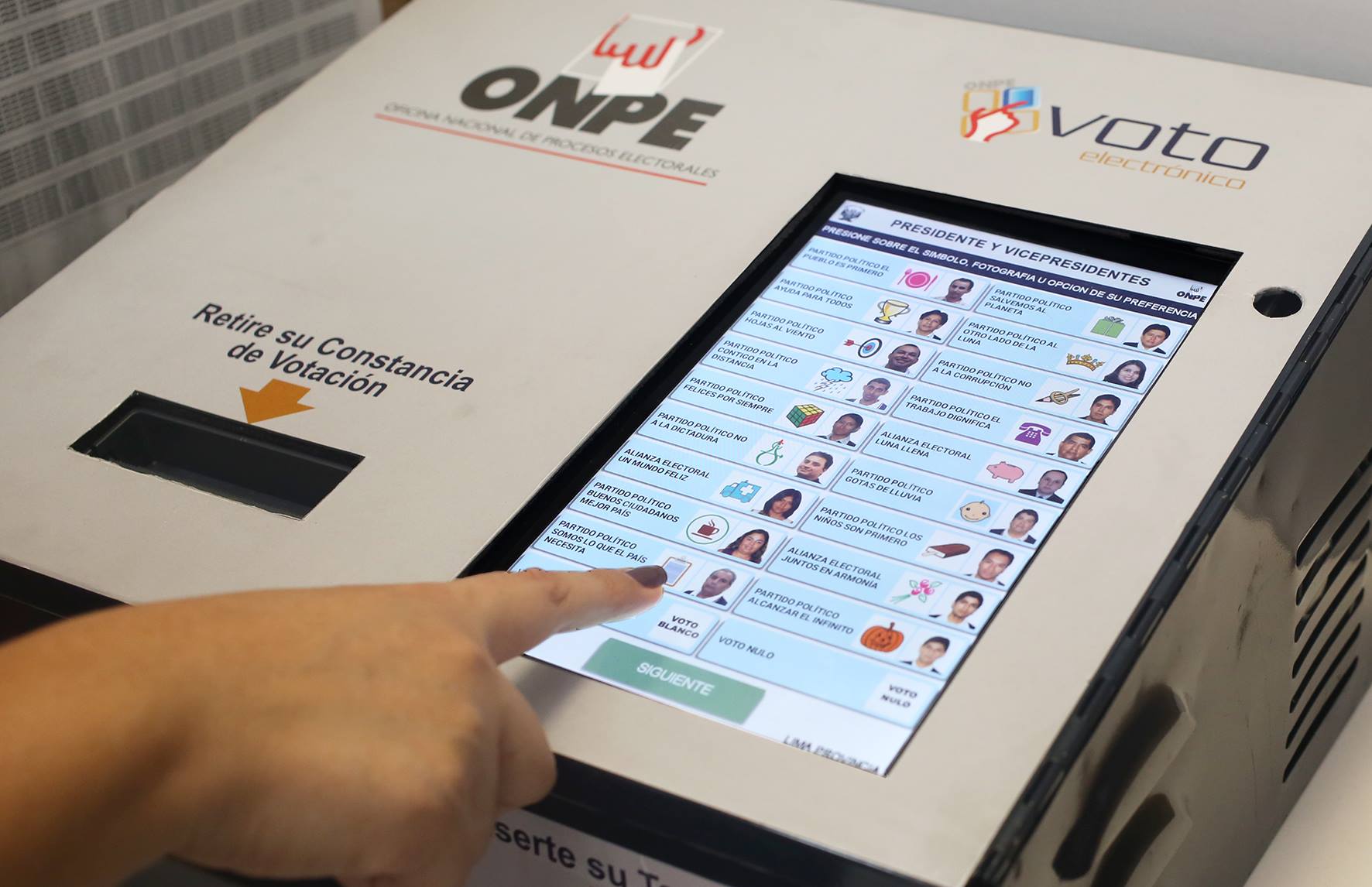
Electronic voting, whether in-person or remote, is the technological promise to modernize elections worldwide. Speed, accuracy, and inclusion are the key words for this tool, designed to address the logistical challenges of traditional elections. However, these expectations come with challenges that must not be ignored.
Among the greatest advantages of electronic voting are the immediacy and accuracy it offers compared to traditional methods. Additionally, this method opens the door to greater inclusion, making it easier for people with disabilities and citizens abroad to vote. On top of that, electronic voting also promises to significantly reduce costs by eliminating the need to print ballots and reducing the personnel required for the process.
But it’s not all about efficiency and convenience. The risks are real. Fears of result manipulation—both internal and external—and the lack of transparency have raised alarms. In several countries, such as Germany and Finland, they opted to abandon these systems after discovering critical vulnerabilities that compromised the integrity of the vote.
In Peru, the adoption of electronic voting has been slow and cautious. From the first pilot experiments in the 90s to the partial implementation in the 2011 general elections, progress has been gradual. In the extraordinary congressional elections of 2019, only 2.1% of districts used electronic ballot boxes.
Despite the concerns, Peru cannot afford to fall behind. Electronic voting is crucial to include those who cannot travel. The expansion of this technology must continue, but in controlled districts and in a limited manner to minimize risks, as ONPE has done. Electronic voting is the future, but a future that must move forward with the caution and rigor necessary to strengthen trust in our democracy.
]]>Cristhian Jaramilloc.a.jaramillo-huaman@lse.ac.ukPeru: a lesson for Latin America2023-10-18T00:00:00-07:002023-10-18T00:00:00-07:00https://cristhianjaramillo.com/posts/2023/10/crisis-peru
“Peru is at a political crossroads. The organization of transparent and fair elections, although crucial, is not enough to fully sustain the rule of law.”
Photo credit: Lucas Aguayo Araos/Picture Alliance/Getty Images
This text was originally published in Spanish in the Mexican newspaper 'El Universal.' If you wish to read the original article, you can do so here.
Peru stands out in Latin America as an extreme case of political party collapse, a political context that has been described as a ‘party-less democracy’. Following its late transition to democracy in 2001, Peruvian political parties have become mere personalized vehicles, lacking effective presence at the subnational level, without discernible ideological coherence, and sometimes unable to significantly represent the interests of the citizenry.
Faced with this weakness in the party system, legislators, experts, civil society groups, and other actors have driven a process of political and electoral reform. Various investigations conducted by the Observatory of Political Reforms in Latin America reveal that Peru ranks second in the region, after Ecuador, in reform efforts. From 1975 to 2022, 75 modifications to Peru’s electoral regulations have been recorded, a process characterized by its irregularity, drastic transformations, and, at times, noticeable contradictions.
Despite efforts to strengthen the political system, the performance of democratic institutions in Peru has deteriorated to the point of being perceived with skepticism, and even rejection, by the citizenry. The latest Barometer of the Americas survey reveals that, between 2010 and 2021, only an average of 54% of Peruvians trust in democracy, while a mere 10% consider political parties as viable institutions.
This constant weakening of political parties, a trend rooted in the Fujimori era (1990-2000), has led to an unprecedented institutional crisis in the last seven years (2017-2023). Growing conflicts between the Executive and Legislative branches have triggered a tumultuous political crisis, which has seen the succession of six presidents, the resignation of one (Pedro Pablo Kuczynski in 2017), the impeachment of two (Martín Vizcarra in 2018 and Pedro Castillo in 2022), the dissolution of the Congress of the Republic (2019), and even a failed attempt of a self-coup (2022). Since 2017, no Peruvian president has managed to complete their full term.
This political crisis can be explained from an institutional perspective. Principally, Peru’s governance, like in many countries in the region, heavily depends on the composition of the Legislative branch. Since 2016, the opposition in the Peruvian Congress has been characterized by a lack of willingness to dialogue, increasing political polarization. Added to this is Congress’ ability to impeach the sitting president through a motion of vacancy for ‘moral incapacity’, an imprecise term that has led to the abuse of this tool. For example, Castillo’s government faced three impeachment processes in less than two years. This situation highlights the urgent need for deeper reforms to restore stability and trust in democratic institutions in Peru.
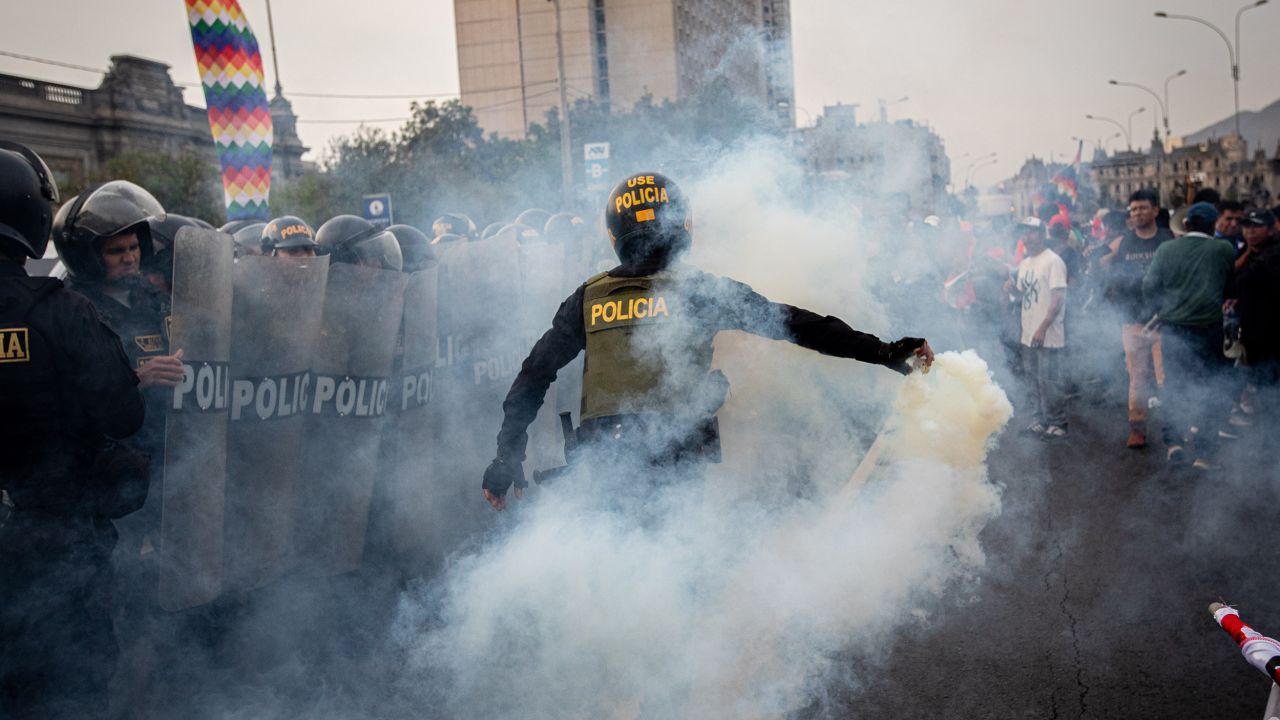
However, discussions about institutional causes remain incomplete without highlighting the tragic circumstances surrounding the more than 60 deaths during protests against the government led by Dina Boluarte. In a country where the rule of law has significant shortcomings, the lives lost amidst the protests and the violent police intervention in peaceful marches stand as a grim testimony to the failures of Peruvian institutions to safeguard the integrity of its citizens, emphasizing the urgent need for a thorough and transparent investigation to hold those responsible accountable.
Currently, Peru stands at a political crossroads. The organization of transparent and integral elections, though fundamental, is not sufficient to fully sustain the rule of law. Despite significant efforts made to reform and strengthen the political system, confidence in democratic institutions has experienced a marked decline. This reflects an increasingly widening gap between the government and the citizenry, positioning Peru as a prominent example that the so-called ‘party-less democracy’ is not only ineffective but also leads to a widespread erosion of the democratic system as a whole. After all, without parties, there is no democracy.
]]>Cristhian Jaramilloc.a.jaramillo-huaman@lse.ac.ukThe constant changes: reforms to the electoral systems of the legislatures in Latin America2023-04-11T00:00:00-07:002023-04-11T00:00:00-07:00https://cristhianjaramillo.com/posts/2023/04/peru-political-reform
“Reforming should be a process resulting from thorough analysis, but the frequency of these changes in Latin America seems to indicate the opposite.”
This text was originally published in Spanish in the Mexican newspaper 'Voz y Voto.' If you wish to read the original article, you can do so here.
In Latin America, electoral reforms have been mostly used to strengthen the rights of certain sectors of the population, increase confidence in the democratic system, bolster political parties, and/or democratize certain public spaces. In this region, reforming has become the favorite response of decision-makers to address issues related to institutional functioning, political organization weakness, and the public’s perception of politics, as evidenced by the work of Flavia Freidenberg.
These constant changes to the electoral system have drawn the attention of researchers. Literature related to reform processes has focused on documenting, describing, and evaluating these modifications while proposing new adjustments. Despite the existence of comparative studies in the region, very few of these evaluate reforms over time. The Observatory of Political Reforms in Latin America, a joint project of the Secretariat for Strengthening Democracy of the Organization of American States and the Institute of Legal Research of the National Autonomous University of Mexico, has filled this knowledge gap by investigating, documenting, and assessing reforms from 1977 to the present.
One of the most common changes in Latin American countries has been made to the electoral systems of legislative bodies, i.e., the rules defining how power is accessed and distributed in these spaces. According to Boix, these types of modifications aim to change the way competition for positions of power occurs by altering its distribution. Consequently, the rules defining how representatives of the Legislative branch are elected are crucial, as regulations can determine actors’ incentives, the way political organizations compete, and which groups and/or sectors - racial, territorial, ideological, among others - are more likely to access power.
Although changing the electoral system is not a straightforward task, usually requiring constitutional amendments, from 1949 to the present, 106 reforms to the electoral system of legislatures have been recorded by nineteen Latin American countries (#ReformObservatory). An analysis of the frequency of reforms indicates that a significant portion of these took place in the 1990s, during which countries amended their Chambers or Congress electoral system up to 30 times (28.30% of the total). The second period with the highest number of reforms was the last decade (2010-2020), witnessing 24 changes (22.64%) (#ReformObservatory).
The assessment of these data aligns with what Flavia Freidenberg highlighted in her analysis of electoral reforms in Latin America. Reforming has become the immediate response of decision-makers to the demands of the citizenry, but also a response to the interests of political elites who use rules as a space to maximize power. Unlike Europe, which has been much more conservative in changing the rules of the game, the frequency of reforms in Latin America seems to indicate that these changes have been constant, rushed, and extremely repetitive.
Specifically, the countries that have most frequently reformed their legislative electoral systems during the studied period (from 1977 to the present) are Ecuador (thirteen changes), Mexico (eleven), and Peru (ten). Following these, Colombia (nine modifications), Bolivia (seven), Argentina (six), Guatemala, Honduras, and Panama (all with five changes). Brazil, Chile, El Salvador, Nicaragua, Paraguay, the Dominican Republic, and Venezuela share the same number of modifications (four changes). Finally, the countries with the fewest reforms are Uruguay (three), Costa Rica, and Haiti (two each).
This account of the number of reforms carried out by countries in the region highlights extreme stances. Countries with a higher number of legislative reforms have executed these changes extremely regularly. For example, on average, Ecuador’s legislative electoral system has been reformed approximately every three years, while in Peru, these modifications have occurred every four years. In contrast, the most stable electoral systems, Haiti and Costa Rica, changed their legislation only twice. Specifically, Haiti’s electoral system was reformed in 2011 and 2013. Meanwhile, reforms to Costa Rica’s legislative electoral system occurred in 1949 and 1998, spanning a 49-year interval.
The frequency of these changes adds to the fact that they are not minor alterations of the rules of the game. Reforms to the legislative electoral systems of Latin America have affected different dimensions of these systems. These changes encompass the principle of representation, the electoral formula, the number of chamber members, the number of electoral districts, the voting structure, the length of mandates, the possibility of reelection, the existence of a legal barrier, and recalls in the Legislature.
Regarding the principle of representation, only three countries modified this dimension in their Lower Chamber (Bolivia, Chile, and Ecuador) and two in the Upper Chamber (Bolivia and Mexico). On the other hand, the electoral formula is the dimension that has undergone the most reforms: seven countries modified this criterion for the Lower Chamber (Bolivia, Colombia, Costa Rica, Ecuador, Honduras, Nicaragua, and Uruguay) and four for the Upper Chamber (Bolivia, Chile, Colombia, and Mexico). In this context, Ecuador stands out as the country with the most drastic and concentrated modifications in a single dimension of the electoral system. The thirteen reforms to its electoral system have caused this country to change its electoral formula up to seven times. Consequently, Ecuadorian assembly members were elected using the quotient or residual voting, relative majority, D’Hondt system, corrected Imperiali quotient, weighted factor, Hare method, and finally, in 2019, the Webster method.
Similar to the electoral formula, the number of members in each Chamber has been frequently changed. In the analyzed period, from 1977 to the present, only seven out of 19 countries (Bolivia, Brazil, Haiti, Panama, Paraguay, Uruguay, and Venezuela) did not modify the number of representatives in the Lower Chamber. However, the composition of the Upper Chamber was reformed for Argentina, Bolivia, Chile, Colombia, and Mexico. As for the number of electoral districts, these have been reformed on eight occasions for Lower Chambers (Argentina, Bolivia, Chile, Ecuador, Mexico, Nicaragua, Peru, and the Dominican Republic) and five times for Upper Chambers (Argentina, Bolivia, Chile, Colombia, and Mexico).
The voting structure has undergone similar modifications to the electoral formula. In this case, eleven countries changed the composition of the lists for Lower Chambers, and only Argentina, Brazil, Costa Rica, Guatemala, Haiti, Nicaragua, Panama, and Venezuela did not change this criterion. For the Upper Chambers, only Bolivia and Colombia modified this dimension. In contrast, the mandate of representatives (number of years in office) is one of the dimensions with less variation, as only Bolivia, Brazil, Ecuador, Guatemala, and Nicaragua made reforms to change this aspect in the Lower Chamber. In the Upper Chamber, the only country that changed the mandate of its representatives is Colombia.
Another aspect that has remained relatively stable within the legislative electoral systems is the possibility of reelection by representatives. Of the region’s countries, only four (Ecuador, Mexico, Peru, and Venezuela) changed the conditions for Lower Chamber members to seek reelection. For the Upper Chamber, only Chile and Mexico have reformed this aspect.
However, the legal barrier is an aspect of the electoral system that has moderately changed in the region; seven countries (Argentina, Bolivia, Brazil, Colombia, Mexico, Peru, and the Dominican Republic) have carried out reforms for the Lower Chamber, and only two (Colombia and Mexico) for the Upper Chamber. Finally, the last dimension, the recall of Legislative members, was only introduced in five countries (Bolivia, Colombia, Ecuador, Honduras, and Venezuela).
These constant changes to the rules of the electoral system and its dimensions only foster uncertainty about how positions are chosen and how political organizations and citizens participate. Without clear rules or stability in how representatives are chosen, there is little possibility of creating strong institutions that produce predictable results and, in turn, a degree of governability. Reforming should be a process resulting from thorough analysis, but the frequency of these changes in Latin America seems to indicate the opposite.
]]>Cristhian Jaramilloc.a.jaramillo-huaman@lse.ac.ukPeru 2022: A democracy carrying burdens2023-01-16T00:00:00-08:002023-01-16T00:00:00-08:00https://cristhianjaramillo.com/posts/2023/01/peru-protest
“The response to the protests has been an “institutionalized disdain.” (…) Far from attempting to establish a dialogue with the protesters, part of the Peruvian establishment has chosen to ignore the excesses of the police and armed forces.”
Photo credit: Aldair Mejía (EFE)
This text was originally published in Spanish in the Mexican newspaper 'Voz y Voto.' If you wish to read the original article, you can do so here.
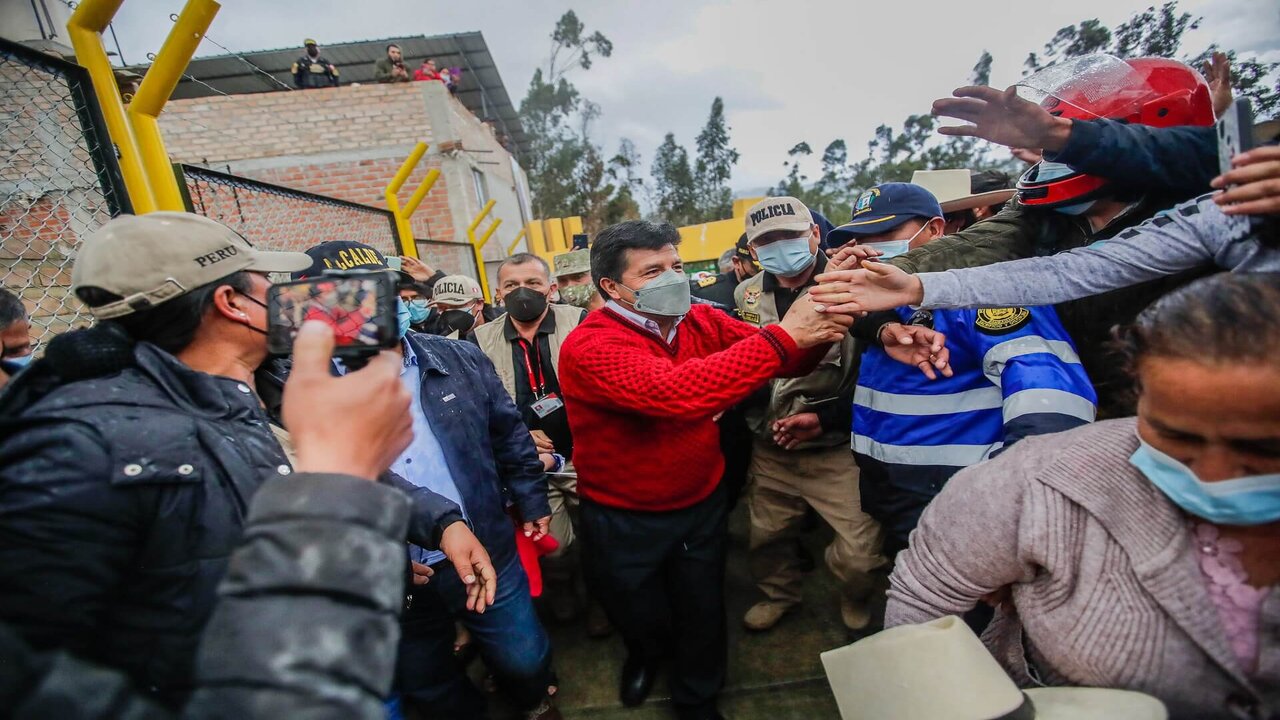
Since 2016, Peru has been immersed in a political and institutional crisis that seems to have no end in sight. With six presidents in just six years, what should be an exception for any democracy has become a “new normality.” The latest chapter of this institutional crisis features Pedro Castillo, who was elected president in 2021, and whose government has been marked by a high turnover of government positions, allegations of corruption, presidential impeachment motions, and an attempted self-coup that led to his police capture and removal.
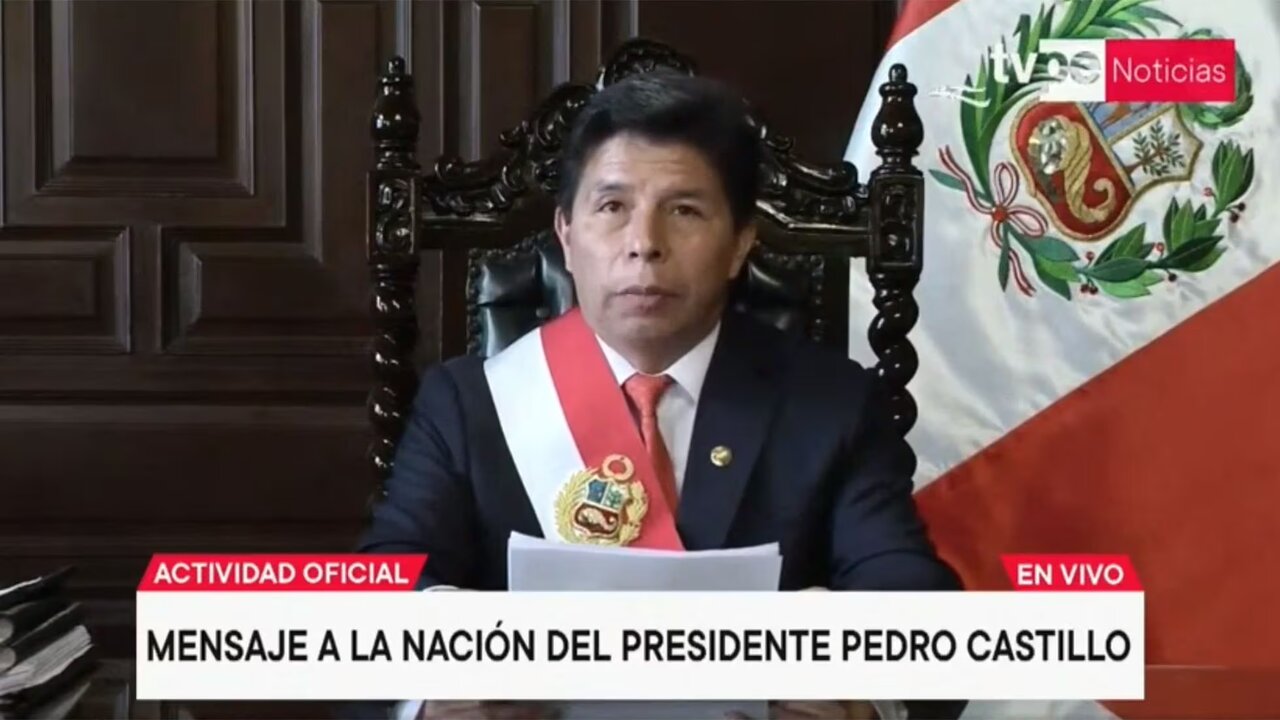
On December 7, Castillo faced his third presidential impeachment motion. Despite the support from the ruling party and other sectors of the legislature, hours before the vote, Castillo announced the dissolution of Congress, the call for new congressional elections with constituent powers to draft a new Constitution, and the reorganization of the justice system, the Judicial Power, the Public Ministry, the National Council of the Judiciary, and the Constitutional Court, among other institutions.
This attempted self-coup resembled the one perpetrated by Fujimori in 1992, albeit with certain nuances. Castillo did not enjoy the popularity or political and social support Fujimori had. Thus, Castillo’s authoritarian attempt lasted less than two hours before his capture by his security detail while allegedly trying to reach the Mexican embassy to seek political asylum. Meanwhile, the Peruvian Congress advanced its session and ousted Castillo with 101 votes in favor out of 130. Thus, the then-vice president Dina Boluarte became the first woman to preside over the Peruvian Executive branch.
Castillo’s actions have caused irreparable damage to the sectors he was supposed to represent: Peruvians from provinces with fewer resources and opportunities. Far from it, Castillo governed in a clientelistic manner, and both he and his political circle face a significant number of investigations for alleged corruption offenses. However, Castillo is not solely responsible for this crisis. Alleging “moral incapacity,” the Peruvian Congress has the power to initiate a presidential impeachment process based on arbitrary arguments. This has led to a power struggle that effectively limits the governing capacity of anyone occupying the presidential seat.
Protests and Barbarism
The end of Castillo’s presidency and Boluarte’s inauguration as the new president did not mean the end of the Peruvian crisis. This latest institutional crisis has sparked a wave of citizen protests in both the capital and various regions of the country. Most of these protests aimed to advance elections to renew both the Executive and the Legislature and put an end to the absurd conflicts between the branches of government.
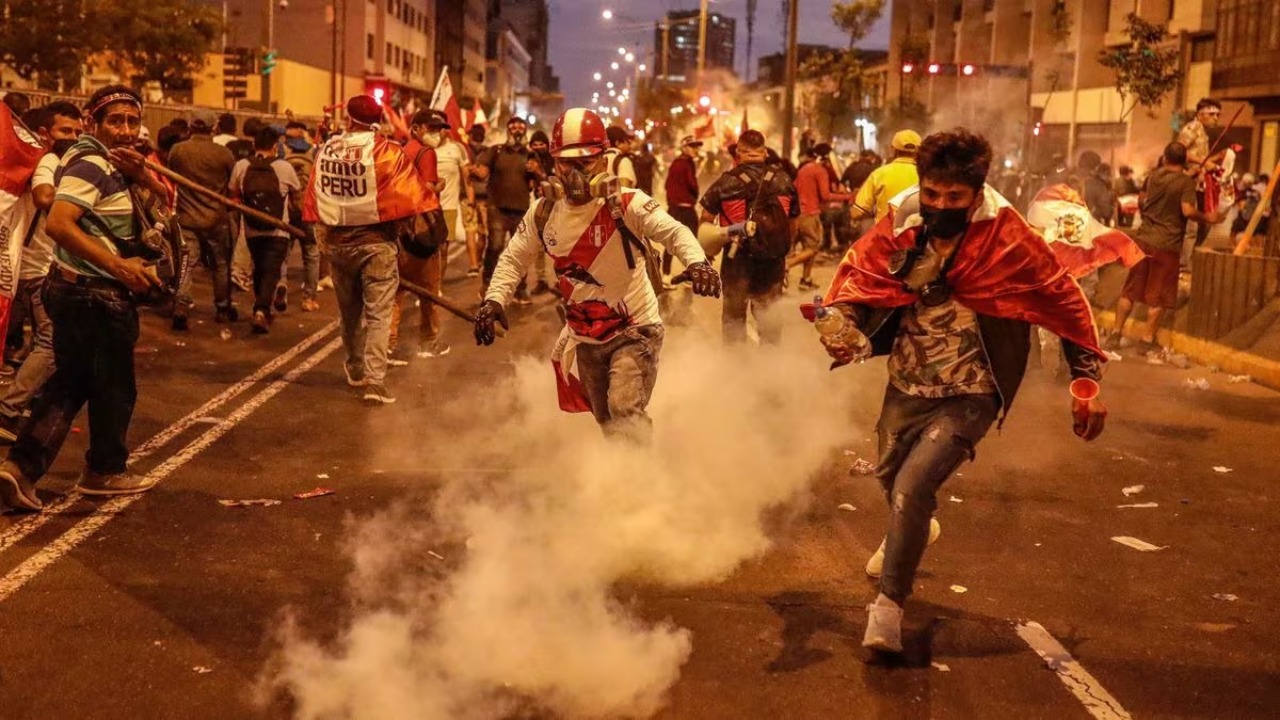
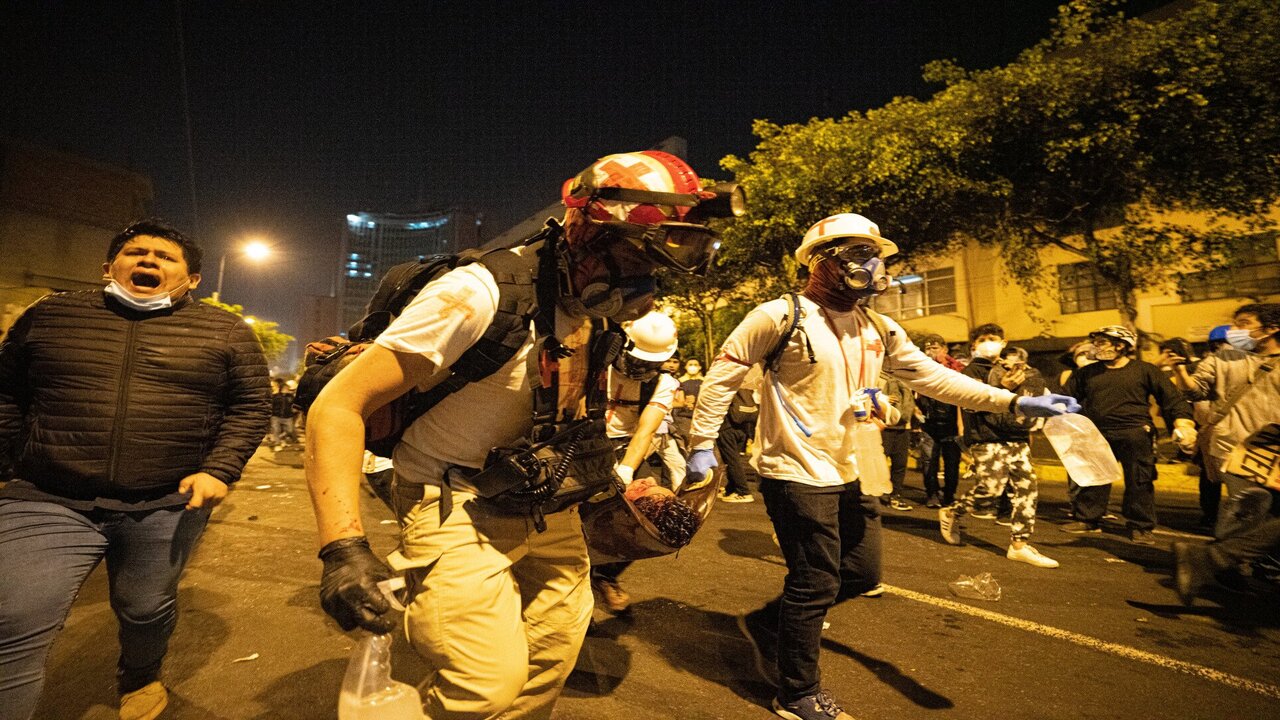
Unfortunately, in Latin America, social protests have always been met with violence and repression by governments instead of dialogue and consensus. Peru is no exception. At the time of writing this article, 28 people, including four minors, have lost their lives due to the actions of the police and armed forces. Police repression has reached such a level that international organizations like Human Rights Watch have denounced the abuses and suggested conducting exhaustive and independent investigations under civilian authorities.
The violence has intensified, especially in Ayacucho, where, according to reports from Human Rights Watch, the Peruvian government deployed armed military personnel. The Ombudsman’s Office reported that 356 demonstrators and 290 police officers were injured during the protests. Likewise, the National Coordinator for Human Rights in Peru stated that the police assaulted arrested individuals or during their custody, delayed the access of lawyers to detained persons, and detained many of them for longer than allowed.
The police excesses should be understood in the context of the government’s response to the protests. Once in power, President Dina Boluarte declared the entire Peruvian state in a state of emergency for 30 days on December 14. This exceptional measure, provided for in the Constitution, suspended some basic rights such as freedom of assembly and inviolability of domicile, and mobilized the armed forces to various provinces in the country.
This level of police violence directed at protesters has been the rule rather than the exception. Peru has a long history of human rights violations during protests. In 2020, during the institutional political crisis of that year following Manuel Merino’s rise to power, two young men, Brian Pintado and Inti Sotelo, lost their lives in the marches. The deaths of Inti and Brian marked the end of Merino’s presidency and strengthened social pressure on Congress to find a democratic solution.
Political scientist Jo-Marie Burt defined the Peruvian crisis not only as a political and institutional crisis but also as a human rights crisis. Protests in Peru have become increasingly violent, occupying airports and blocking roads. In this new crisis, the decision to mobilize the armed forces has had a negative impact on the lives of citizens, as this organization lacks the organization or equipment to carry out these tasks. On the contrary, their actions have only intensified the levels of violence.
The response to the protests has been an “institutionalized disdain.” Both the current president and various congress members and journalists have indicated that the demonstrations are the product of “bad Peruvians” or “terrorists.” Far from attempting to establish a dialogue with the protesters, part of the Peruvian establishment has preferred to ignore the excesses of the police and armed forces. With nearly 30 deaths, the least the Peruvian government should ensure is a thorough investigation and justice for the victims. However, in Peru, this will not be the case as Boluarte stated that the deaths during the protests will be investigated in a military forum.
A “Way Out” of the Crisis
After 28 people died during the demonstrations, the Peruvian crisis persists. Boluarte’s response to the protests was to bring forward elections to change both the Executive and the Legislative branches for 2024 instead of 2026. Although certain sectors of the population demanded the organization of these elections in 2023, on December 20, Congress approved the advancement of elections for April 2024. The approval of this measure will need to be confirmed in the next legislative term.
Despite this possible way out of the crisis, there are certain institutional elements that, if they persist in the Peruvian political system, will trigger a new crisis regardless of whether the Executive and Legislative branches are renewed. These are the insolvency of government parties to obtain (or agree on) majorities in Congress and moral incapacity as grounds for presidential impeachment. Both factors remain present in the Peruvian system.
Due to the party crisis and the high fragmentation within parties, government parties in Peru have had great difficulty in obtaining majorities in Congress. Thus, in the General Elections of 2001, 2006, 2011, 2016, and 2021, government parties only accumulated 37.5%, 30.0%, 36.2%, 13.8%, and 13.4% of seats, respectively. In no case have governments managed to generate effective alliances between parties. This disparity between the number of government blocs and the opposition has resulted in constant conflicts between the Executive and the Legislature. Without a strong government party, conflicts between the branches will continue.
The second factor, which must be resolved promptly, is of a constitutional nature. Specifically, the presence of impeachment due to moral incapacity as grounds for the president’s removal. The term “moral incapacity” was only used before 2016 in a single case: Fujimori’s resignation and departure from the country after a corruption scandal. This exceptionality was interrupted from the minority government led by Pedro Pablo Kuczynski and has been used by the opposition with alarming frequency. Impeachment due to moral incapacity resulted in Kuczynski’s resignation, the removal of Martín Vizcarra, his successor in the presidency, and Castillo’s attempt at a self-coup to avoid his removal.
Although Peru has once again avoided falling into an authoritarian regime, Dina Boluarte’s rise has only triggered massive protests from a population already tired of political instability. Instead of dialogue, the government has responded with extreme violence. Peru closes the year with a democracy burdened, weak, and deeply disconnected from the needs of the citizenry, especially those outside the Lima Metropolitan area.
]]>Cristhian Jaramilloc.a.jaramillo-huaman@lse.ac.ukThe Peruvian political parties under examination!2022-08-22T00:00:00-07:002022-08-22T00:00:00-07:00https://cristhianjaramillo.com/posts/2022/08/peru-parties
“Decentralization created a new scenario of political competition, new actors, and a new agenda. These changes also impacted the party dynamics, revealing the difficulties political parties face in fulfilling their basic functions of representation and interest aggregation.”
Photo credit: Sebastian Castañeda/POOL/AFP/Getty Images
This text was originally published in Spanish in the Mexican newspaper 'Voz y Voto.' If you wish to read the original article, you can do so here.
The Peruvian political and electoral reform process is characterized as irregular, drastic, and, at times, contradictory. Between 1975 and 2020, two Constitutions were introduced (1979 and 1993), a constitutional reform process took place (2018), and the electoral regulations were modified up to 43 times. As evidenced by the databases of the Observatory of Political Reforms in Latin America, Peru stands out as an example of constant reform, registering up to six changes to its legislation related to political parties. The conclusion is clear: rules do not generate certainties.
This hyperactive reform process has also involved the fundamental dynamics of state organization. At the beginning of this century, the decentralization of central government functions was one of the main reforms implemented in Latin America. An immediate consequence of the decentralization reforms was precisely the creation of new levels of government and the organization of elections to elect the corresponding authorities. Decentralization generated a new scenario of political competition, new actors, and a new agenda. These changes in the rules of state organization also affected the party dynamics, highlighting the difficulties political parties face in fulfilling their basic functions of representation and interest aggregation.
This party adaptive crisis is most evident in the subnational scenario. The decentralization process divided the country into three levels: regional, provincial, and district, each with its executive and legislative branches elected every four years in the so-called Regional and Municipal Elections held since 2002. On October 2nd of this year, the fifth iteration of this process will take place, serving as a stage to evaluate if political parties continue to weaken.
One of the main challenges for Peruvian parties in subnational elections is related to the number of electoral districts. Due to the decentralization process, the number of electoral districts for subnational processes has varied over time. The total number of electoral districts has gradually increased with the creation of new provinces and districts. According to the latest report from INFOgob of the National Jury of Elections, elections were organized in 1,854 electoral districts in 2002, 1,857 in 2006, 1,859 in 2010, 1,867 in 2014, 2,095 in 2018, and finally, this year, elections will be held in 2,111. This represents an increase of 13.86% between the 2002 election and those of 2022.
As a result, parties cannot present lists in all electoral districts. The task of strategic coordination across the territory is impossible. Electoral laws themselves acknowledge the impracticality for any party to have a presence in all districts, provinces, and regions of the country. Thus, the electoral system recognizes the presence of organizations similar to parties in objectives but different in scope: regional movements. These organizations replace parties at the subnational level since their activities are concentrated in a specific region and they cannot participate in elections for national political positions (Presidency, Congress, and Andean Parliament).
Another indicator that parties have no incentive to have a presence in all districts is seen in the regulation for the registration of these organizations. For the formation of a party, it is necessary for them to have party committees composed of no less than fifty members affiliated with the organization. In the latest reform established in the Political Organizations Law, these party committees must be present in no less than four-fifths of the country’s departments (20 out of 25) and in no less than one-third of the provinces (65 out of 169). Even when the reform aims to strengthen parties, reformers acknowledged that demanding these organizations to cover the entire national territory was an unattainable demand.
This limitation that parties have is also evident when analyzing the participation of these organizations and their results over time. In general terms, Regional and Municipal Elections witness the highest number of lists. On average, between 2002 and 2018, there were 302 lists at the regional level, 1,873 at the provincial level, and 12,121 at the district level. According to an INFOgob report, in the last subnational elections held in 2018, the majority of competing lists belonged to parties (9,036; 62.08%), followed by regional movements (5,469; 37.60%), and with minimal participation, local provincial political organizations (21; 0.14%) and local district political organizations (20; 0.14%).
If the analysis focuses on the presentation of lists in these electoral processes, it is possible to recognize that parties have a greater presence at the subnational level. However, the submission of lists does not necessarily mean that they obtain the positions for which they are nominated or, at the very least, that they are competitive. An evaluation of elected authorities at the subnational level according to the type of political organization they belong to demonstrates that the presence of parties at the subnational level has diminished over time.
Thus, in 2002, parties represented 51.84% of elected authorities, which later decreased to 51.18% in 2006, 35.15% in 2010, 31.44% in 2014, and rose to 46.46% in 2018. Between 2002 and 2018, the presence of parties at the subnational level decreased by 10.37%. In contrast, regional movements have not only increased their participation levels but also their electoral success. These organizations represented 13.10% of total elected authorities in 2002 and then reached 29.90% in 2006, 52.02% in 2010, 61.17% in 2014, and 53.05% in 2018. At the subnational level, regional movements have achieved greater electoral success, recording an increase in the number of elected positions between the first and last election of 304.96%.
The displacement of parties in subnational electoral politics is also evident in the election of the regional governorship, the highest office in competition. When these elections began at this level, political parties occupied 18 out of 25 governorships. In the last election, the number of governors from political parties reached only 5 out of 25, in contrast to the 15 positions held by regional movements.
Thus, the Regional and Municipal Elections of October this year pose a new scenario to evaluate political parties and test if they can still compete effectively at the subnational level. This is within the framework of the electoral reform process of 2019 and 2020, which focused on strengthening these institutions by increasing the requirements for their registration and demanding effective representation to maintain said party registration. Thanks to these measures, the number of Peruvian parties decreased from 24 in 2021 to 12 in 2022. In this cleansing process, two of Peru’s oldest political organizations lost their party recognition: the Peruvian Aprista Party - founded in 1924 - and the Christian People’s Party - founded in 1966. Thus, in theory, only parties with greater institutional strength will compete in these subnational elections. Therefore, it remains to be seen whether the process to strengthen these institutions induced by the latest political-electoral reform of 2019-2020 has contributed to strengthening the parties, improving their presence in the districts, or, on the contrary, the disconnection between parties and the citizenry continues.
]]>Cristhian Jaramilloc.a.jaramillo-huaman@lse.ac.ukHouse of Cards: Peru´s Political Turmoil2021-12-11T00:00:00-08:002021-12-11T00:00:00-08:00https://cristhianjaramillo.com/posts/2021/12/pedro-castillo
“Peru finds itself engulfed in a political maelstrom amidst government changes and clashes between Congress and the President. What drives this “new normal” in Peruvian democracy?”
Photo credit: AFP
This text was originally published in Spanish in the Colombian newspaper 'Razon Pública.' If you wish to read the original article, you can do so here.
The Crisis and its Immediate Causes
Since Pedro Castillo assumed the presidency in 2021, his government has grappled with corruption charges, impeachment requests, cabinet changes, and a self-coup attempt leading to the President’s detention. While this situation might seem extraordinary for most democracies, in Peru, it’s part of the political and institutional crisis that began in 2017, which explains why the country has seen six presidents in six years.
Peru’s Constitution contains the “vote of confidence,” a tool for the executive to expedite its proposals. If Congress denies confidence twice, the Executive can dissolve it and call for fresh elections. The rejection leads to a “cabinet crisis” and the resignation of ministers.
One cause of the crisis was the confidence vote requested by the then Prime Minister, Aníbal Torres. This vote aimed to repeal Law 313555, limiting the confidence vote to matters within the Executive’s jurisdiction and banning its use in proceedings related to Congress or other bodies. The Executive perceived this law as altering the balance of powers and restricting its ability to present confidence votes.
On November 24, the Congressional Directiva rejected the Executive’s confidence vote, leading to the entire cabinet’s resignation. This event triggered a cabinet reshuffle and the appointment of Betsy Chávez, previously the Minister of Culture, as the new Prime Minister. In the event of Congress rejecting another confidence vote proposed by the government, it could lead to the dissolution of Congress.
This political scenario mirrors the 2019 dissolution when President Martín Vizcarra closed the Legislature and called for new elections following the rejection of the second vote of confidence.
The recent confidence vote was an Executive response to Congressional pressure. In less than two years, Castillo faced two presidential impeachment motions, severely limiting his governance through reforms.
However, on December 1, following the cabinet reshuffle, Congress, with 73 votes in favor, 32 against, and 6 abstentions, impeached former President Pedro Castillo for alleged “moral incapacity.” The accusation cited “the irresponsible dismantling of public administration and clientelist occupation of state institutions.” Additionally, Congress approved with 59 votes in favor that the presidential impeachment vote would occur on December 7. Just a year and four months into his presidency, Castillo faced his third impeachment motion.
How Castillo Fell?
Though Castillo garnered support from certain legislative sectors, hours before the impeachment vote, he took an unexpected step: he announced the dissolution of Congress and called for new elections. He assumed powers to draft a new Constitution, reorganize the justice system, the Judiciary, the Public Ministry, the National Justice Council, and the Constitutional Court.
This self-coup resembled Fujimori’s in 1992, but Castillo lacked his predecessor’s popularity or political and social backing. The attempt failed as Castillo was detained by his security detail en route to the Mexican Embassy, presumably seeking asylum. He was sent to the Barbadillo prison, coincidentally where Fujimori is also held.
Predictably, this “self-coup” hastened the presidential impeachment vote, and Congress declared his removal with 101 votes in favor. Consequently, Vice President Dina Boluarte assumed the presidency, becoming Peru’s first female president. Meanwhile, certain provinces and sectors in the country advocate for new elections.
Undoubtedly, Castillo’s actions have inflicted irreparable damage on the sectors he purportedly represented: the rural Peruvians with fewer resources and opportunities. Far from bringing change, Castillo governed through patronage and faced numerous corruption investigations.
However, attributing the lack of direction in Peru’s judicial system solely to Castillo’s figure would be misguided. The Congress can initiate a presidential impeachment process citing “moral incapacity,” even if the arguments remain entirely subjective. This presents an obvious source of disputes between the Executive and the Legislative, markedly limiting any president’s ability to govern.
The End of Castillo, But Not of the Crisis
Thanks to the Observatory of Political Reforms in Latin America, in February 2021, I published a document on the causes of the institutional crisis that led to Martín Vizcarra’s removal and the election and resignation of Manuel Merino. The analysis focuses on the previous government’s instability in securing majorities in Congress and the use or abuse of “moral incapacity” to oust the president.
In December 2022, these factors continue to persist in the Peruvian system, suggesting that until resolved, the government of Dina Boluarte, or any succeeding administration, might be as short-lived as Castillo’s.
Moreover, the crisis within political parties and their fragmentation make it nearly impossible for the ruling government to secure majorities in Congress. In the general elections of 2001, 2006, 2011, and 2021, governments only managed to secure around 37.5%, 30%, 36.2%, 13.8%, and 13.4% of the seats, respectively.
Effective alliances among parties have been challenging to achieve. The disparity between government and opposition benches leads to intense and constant disagreements between the Executive and the Legislative branches.
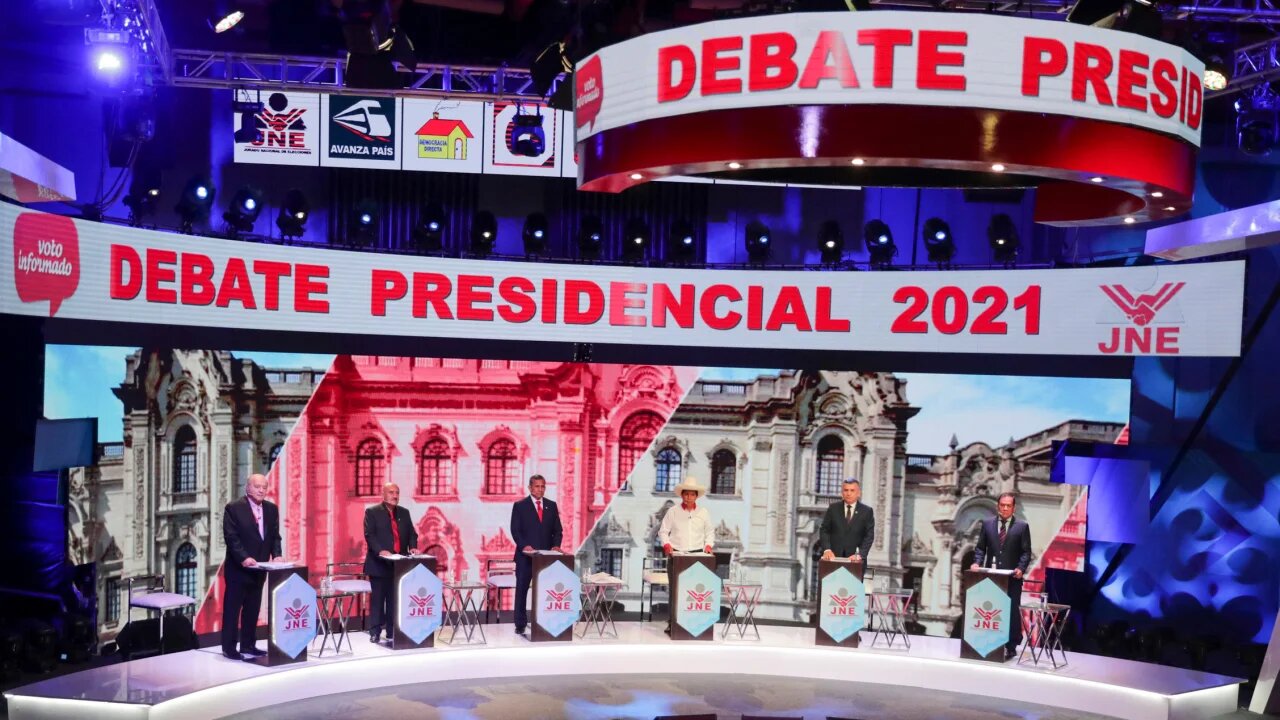
Additionally, the 2021 general elections, where Castillo and Boluarte assumed the presidency, were contentious. The runoff between Pedro Castillo and Keiko Fujimori ended with Castillo’s victory by a narrow margin of 0.234%. Fujimori accused Castillo of fraud without presenting evidence, alleging that the fraud was promoted by Castillo’s political organization and electoral bodies.
Fujimori’s refusal to accept defeat caused months of political tension and polarization in the country. This also led to aversion from certain sectors towards the option represented by Castillo and Boluarte, which still exists today.
Peruvian Presidents Cannot Govern
The second factor explaining Peru’s ongoing crisis is constitutional: the Congress’s authority to remove the president through the mechanism of “moral incapacity.” Before 2016, this term was only used in Fujimori’s resignation and his departure from the country after a corruption scandal.
The exception for presidential vacancy due to moral incapacity was disrupted during Pedro Pablo Kuczynski’s government. The opposition has utilized this mechanism at an alarming rate, resulting in Kuczynski’s resignation, Martin Vizcarra’s removal, and Castillo’s very recent attempt at a self-coup to avoid his own removal.
While Peru has avoided descending into an authoritarian regime, Dina Boluarte’s assumption of power has led some sectors to propose a new electoral process. Certain factions have made it known that their support will hinge on Boluarte’s decisions. The message is clear: the citizens’ needs are not being considered, and undoubtedly, this will have serious consequences for the country.
]]>Cristhian Jaramilloc.a.jaramillo-huaman@lse.ac.ukFake News, sore losers, and elections2021-08-30T00:00:00-07:002021-08-30T00:00:00-07:00https://cristhianjaramillo.com/posts/2021/08/fake-news
“The spread of fake news in Peru demonstrates the importance of the role of electoral bodies in their educational function. Both the ONPE and the JNE show that the best course of action is proactive and transparent information. Moreover, it’s evident that merely refuting fake news isn’t enough, as they will continue to circulate and be shared.”
Photo credit: European Seed.com
This text was originally published in Spanish in the Mexican newspaper 'Voz y Voto.' If you wish to read the original article, you can do so here.
In Anne Applebaum’s “Twilight of Democracy,” there’s an anecdote that highlights the role of the media in politics. At a 2020 conference, partially organized by the Hungarian government, the current Prime Minister of Hungary, Viktor Orbán, was introduced. In Hungary’s context, it’s the only European country that has closed a university, placed academic institutions under direct government control, and employed a combination of political pressure and financial means to control most of the press. When attendees questioned Orbán about his political strategies, he emphasized the importance of not sharing power with other parties and having media support. “At the back of the room where the press was seated, some people laughed. The rest of the room nodded, not laughing at all: they agreed and understood.”
In a full democracy, a free and unbiased press acts as a necessary counterbalance against potential abuse of power. The information provided by the media is vital for citizens to make informed decisions. The role of the media is especially crucial during election campaigns when parties and politicians present their proposals. Hence, elections provide an ideal space to study the behavior of the press and its audiences concerning information provided by politicians. Therefore, the recent Peruvian election offers certain lessons about the media’s role in contentious electoral processes and the role of electoral institutions in dealing with fake news.
Sore Losers and Biased Media
Between April and July 2021, Peru witnessed its most polarized electoral process since its return to democracy in 2000. The Second Presidential Election featured Keiko Fujimori (Fuerza Popular) and Pedro Castillo (Perú Libre). Days after the process concluded, despite a difference of tens of thousands of votes in the results, Fujimori, much like former President Donald Trump, refused to acknowledge her defeat. Supported by various actors, she claimed before the media the existence of electoral fraud that, to this day, lacks evidence. Fujimori’s statements were accompanied by false or manipulated information questioning the integrity of the process and the role of electoral bodies.
Unfortunately, Fujimori and Trump are not the only cases of fake news pushed by politicians. Benjamin Netanyahu, Israel’s former prime minister, stated that the opposition’s agreement to oust him was the “fraud of the century,” claiming to be the victim of a “deep state” conspiracy. In Brazil, Jair Bolsonaro declared in 2018 that he would only lose the election if there was fraud, without ever providing material evidence to support such claims. In less institutionalized countries like Myanmar, baseless and evidence-lacking assertions have been used to seize power, suppress media, or imprison opposition figures.
Misinformation and fake news have a more significant impact where there is distrust towards institutions, parties, and politicians. This condition is particularly prevalent in Latin America and, notably, in the Peruvian case, where trust in political parties has progressively declined year after year. While in 2018, trust in Latin America was 13%, in Peru, it stood at 7%. Between October 2019 and March 2020, according to a report by Peru’s National Institute of Informatics and Statistics, the least reliable institutions were political parties (3%) and the Congress (4.3%).
Added to these figures indicating a crisis in Peruvian institutions is the role of the media and its political stance during the 2021 electoral process. The Peruvian press fell short of providing secure, reliable, and impartial information. A survey by the Institute of Peruvian Studies (IEP) showed that, in the Second Presidential Election, 59% of respondents considered that the main TV channels, radio stations, and newspapers favored a particular candidate. In contrast, only 35% believed the media remained impartial.
An example of this disproportionate media coverage, mostly favoring Fujimori, was the Sunday program “Cuarto Poder” on Canal América. In this program, several journalists mentioned that the new director, Gilberto Hume, stated “the company was concerned about Castillo’s candidacy and that a position against him had to be taken.” Journalists also pointed out that topics related to Fujimori’s campaign financing were censored, and reports were edited. These events led to the resignation of eight members of this program on June 8, 2021.
In a context where traditional media was not considered trustworthy by citizens, social media also played a significant role in disseminating information. However, these channels were flooded with fake news about both candidates, their electoral campaigns, the actions of electoral bodies, and post-election events. During the Second Presidential Election, PerúCheck, a collaborative journalism alliance for fact-checking, identified over 25 fake news items related to the electoral process. Fake news covered a wide range of topics, from alleged calls for civil war in Puno against a supposed Fujimori-favoring fraud (the video corresponded to demonstrations in Bolivia in 2019) to alleged irregularities in the electoral roll, deceased people voting, and misappropriation of electoral records.
Addressing Fake News: The Role of Electoral Bodies
Faced with a disproportionate amount of fake news questioning the legitimacy of the electoral process, both the National Office of Electoral Processes (ONPE) and the National Jury of Elections (JNE) employed various strategies to debunk this misinformation and conduct digital literacy and public education. For this purpose, both bodies used their social media to fact-check, verify information, and inform about its accuracy. ONPE, primarily, used its Twitter account to evaluate and debunk circulated information, while JNE created a “Technical Fact-Checking Committee” to verify shared information on social media.
In both cases, the bodies debunked data, accusations, and even videos that did not correspond to the electoral process or were taken out of context. Each correction came with an explanation of the event and evidence disproving the shared information. In some cases, ONPE had to record tutorials on how to search for information on its website, read resolutions, understand the current electoral legislation, among other resources that enabled independent fact-checking.
Moreover, ONPE promoted information transparency before, during, and after the elections. To ensure result credibility, ONPE announced an initial report of results on its website through a live broadcast, updating both its website and social media every thirty minutes. This continuous update contributed to citizen confidence and peace of mind, allowing people to follow the process in real-time through their electronic devices. The proactive stance of Peruvian electoral bodies was acknowledged by the media, citizens, and international organizations.
Lessons from the Peruvian Experience
Following the Peruvian elections, Latin American electoral bodies have acknowledged the importance of combating fake news and the impact it has on organizing elections. This experience also unfolded in other elections, such as those in Mexico or Brazil’s political scenario. Hence, on Tuesday, August 17, representatives from electoral entities signed the declaration “The Impact of the Pandemic and Fake News on Electoral Processes.” This move enables these institutions to coordinate actions to combat fake news and misinformation.
The spread of fake news in Peru underscores the significance of the pedagogical role of electoral bodies. Both ONPE and JNE demonstrate that the best approach involves being proactive and transparent with information. Additionally, it’s clear that merely refuting fake news isn’t enough, as these falsehoods will continue to circulate and be shared. Institutions must also provide tools for critical news reading so that citizens can independently identify false, erroneous, or manipulated information. Promoting objective information, along with an obsession for data transparency, is a significant initial step towards strengthening democracy in Latin America.
]]>Cristhian Jaramilloc.a.jaramillo-huaman@lse.ac.ukThe Eternal Peruvian Crisis: Beyond Pedro Castillo2021-04-10T00:00:00-07:002021-04-10T00:00:00-07:00https://cristhianjaramillo.com/posts/2021/04/crisis-castillo
“An explanation on governance and why analyzing the Peruvian government system is crucial to prevent a crisis.”
Photo credit: Razón Pública
This text was originally published in Spanish in the Colombian newspaper 'Razon Pública.' If you wish to read the original article, you can do so here.
Crisis after crisis
Since 2017, Peru has become a curious case of political upheaval and limited governance. Political crises between the Executive and Legislative powers led, within a span of five years—from 2016 to 2021—to a National Referendum, four presidents, and the dissolution of the Legislative branch once.
The 2021 elections and the change in the Executive and the composition of Congress did not moderate this crisis. On the contrary, conflicts between powers persist to the extent that President Castillo faced his second presidential vacancy motion on March 28th, a motion that failed due to a lack of 32 votes.
How, then, can this political crisis be understood? Why do conflicts persist despite the election of a new president and a new congress? To decipher Peru’s problem, it is necessary to first analyze its system of government.
The Peruvian government system
Initially, the constitutional structure of this state resembles the model of a presidential system. Peru possesses a monist executive, where the head of state is also the head of government. Additionally, the leader is elected through direct universal suffrage for a fixed term of 5 years.
Despite this, Peru harbors certain institutions similar to parliamentary systems. This governance system early on incorporated some elements from Western democracies into its Constitution.
As noted by Milagros Campos, this was due to the direct influence of the Constitution of Cádiz and the constitutional framework of the Spanish government. The introduction of parliamentary system elements into the presidential system was an ongoing process.
In several cases, the inclusion of these institutions, primarily control mechanisms, occurred through the enactment of new constitutions or reforms to existing ones.
Hence, the Peruvian government system acknowledged and adopted institutions such as law observation (1826), ministerial questioning (1860), ministerial censorship (1867), the vote of confidence (1920), Congress dissolution (1979), and the vote of confidence (1993).
Many of these measures were introduced to limit the power of the Presidency or to provide certain tools in the face of an obstructive Congress. In most Latin American cases, an unchecked Executive has led to the breakdown of the democratic system and its replacement with an authoritarian one.
From this aspect, it’s important to highlight that both the dissolution of Congress (1979) and presidential vacancy (1839) have been part of the legal framework of this country for many years. How, then, can it be explained that vacancy processes or the dissolution of Congress gained prominence only in the last five years?
The importance of the majority
Peru’s governance began to depend on obtaining a majority in the Congress of the Republic despite the process of “parliamentarization” of the Peruvian presidentialism, aiming to create a greater possibility of agreement between both powers.
Therefore, when the ruling party did not have majority support in the Legislature, political crises arose, leading to coups against presidents or the execution of restrictive policies.
This aligns with Juan Linz’s study that critiques the presidential system. According to this researcher, incentives for non-cooperative strategies among state groups are established due to the implementation of presidentialism.
These incentives lead to institutional blockages, potentially resulting in military interventions and triggering a democratic crisis. In summary, without an Executive with a presence in Congress, a country’s governance may become unsustainable. Presidentialism can only perform well when accompanied by a majority in Congress or if there is a coalition supporting its policies.
Since the return to democracy in 2000 until 2016, most Peruvian presidents did not have a majority bloc, but they prevented the formation of an opposition coalition. This allowed them to complete their terms.
The highly fragmented Peruvian political party system also reduced the likelihood of ruling coalitions amassing a significant percentage of seats, forcing them to engage in dialogue.
The winning party of the presidency obtained 37.5%, 30%, and 36.2% of the total seats in the general elections of 2001, 2006, and 2011, respectively. It’s important to note that during these periods, the ruling party was not necessarily the majority.
In 2006, the president and his party did not have a majority in Congress. However, it’s important to consider that, in the electoral processes of 2001, 2006, and 2011, the difference between the ruling and opposition blocs was not overwhelming. Although the ruling bloc did not have the majority, the opposition bloc also did not have absolute dominance in Congress.
The maximum difference between blocs was 17 seats in the 2001 general elections, and the minimum was 9 seats in the 2006 elections. Therefore, the ruling party and the opposition depended on agreements and cooperation between blocs to propose policies, legislate laws, and execute them.
This pattern was interrupted by the results of the 2016 electoral process. In this election, Fuerza Popular obtained a historic majority of 73 seats.
This was combined with increased polarization and disagreements between the government bloc and the opposition, leading to the first impeachment attempt against then-President Pedro Pablo Kuczynski in December 2017, only 18 months after being elected.
Moral incapacity or vacancy
On another note, it’s worth delving into the vacancy motion. The current Peruvian political constitution considers “moral incapacity” of the president as grounds for impeachment, without detailing what attitudes or actions qualify as such. Therefore, the term “moral incapacity” possesses flexible interpretations.
This could refer to permanent mental incapacity, and thus be included as part of physical incapacity, or to a conduct by the president that renders them unsuitable for office. Either way, vacancy due to “moral incapacity” is filled with conceptual voids.
However, this cause was only employed once: during Fujimori’s resignation and departure from the country following a corruption scandal in 2016. This exceptionality was interrupted from the minority government led by Pedro Pablo Kuczynski.
From 2016 to the present day, there have been six impeachment processes. This resulted in Kuczynski’s resignation, Vizcarra’s impeachment, and two processes against Castillo that were rejected.
Castillo, responsible for the political crisis?
In this second impeachment process, the President of Peru was accused of alleged lies and contradictions in the ongoing fiscal investigations against him, as well as appointments of State ministers and other officials.
These accusations have not been confirmed after a civil trial and are still under investigation. However, the increased political polarization and the flexibility of the grounds for vacancy due to moral incapacity seem to indicate that the motion rejected by Congress will not be the last.
The Peruvian crisis goes beyond Pedro Castillo and his potential missteps, linking to institutional causes of this country and its system of government.
]]>Cristhian Jaramilloc.a.jaramillo-huaman@lse.ac.ukThe Crisis in Peru: Political Causes and a Necessary Police Reform2020-11-24T00:00:00-08:002020-11-24T00:00:00-08:00https://cristhianjaramillo.com/posts/2020/11/peru-social-movements
“In a full democracy, no one should be injured or die for protesting.”
Photo credit: Juan Mandamiento
This text was originally published in Spanish in the Mexican blog 'Movimientos e Instituciones.' If you wish to read the original article, you can do so here.
Between November 9th and 16th, 2020, the conflict between the Peruvian Executive and Legislative branches reached its peak, resulting in a total political crisis. In just eight days, Peru witnessed three presidents, five cabinet changes within six months, and a whole day where the positions of President of the Republic and President of the Congress remained vacant due to resignations, leaving the country without heads of its two powers. All this occurred months before the General Elections scheduled for April 11, 2021, amidst the global health crisis caused by COVID-19, which had already affected 948,000 people, led to significant job losses, and overwhelmed the healthcare system.
The political crisis that unfolded that week was the culmination of ongoing struggles between the Executive and Legislative branches. Since 2016, the election of Pedro Pablo Kuczynski as President established a presidency with minority parliamentary support. While the ruling party secured 18 seats, the opposition occupied 73 out of 130 seats in a unicameral congress.
In presidential systems in Latin America, as Juan Linz warned, a presidency lacking support in the legislature, coupled with conflict between the Executive and Legislative branches, could lead to the President’s removal (resignation, coup, vacancy). Peru was no exception, and two years into his term, Kuczynski resigned from the presidency after facing two attempts at impeachment for moral incapacity by the Legislative, leaving his first vice president, Martín Vizcarra, as his successor.
Vizcarra’s government inherited the parliamentary shortcomings of his predecessor but advocated for an anti-corruption stance that resonated with citizens and allowed him to enact certain reforms. These reforms included the 2018 Referendum that abolished parliamentary re-election and the creation of the High-Level Commission for Political Reform. However, conflicts between the branches resurfaced. Amid irregularities in the appointment of new members to the Constitutional Court by the Legislature, the Executive used a vote of confidence for this procedure. Upon the Parliament’s refusal, which proceeded with the appointment, the Executive, in accordance with the Constitution, closed the predominantly Fujimorista Congress on September 30, 2019, and called for new elections on January 26, 2020.
Vizcarra managed to create a more favorable scenario as the opposition, which had complicated various public policies, lost its substantial majority. However, in the 2020 electoral process, the head of the Executive did not present or support any parliamentary list. Whether due to failed negotiations or lack of interest, Martín Vizcarra found himself once again without support in Parliament, and the new configuration of the legislature did not guarantee political stability. Thus, the vacancy due to moral incapacity, with the concept’s inherent emptiness, emerged again as a political instrument to remove Vizcarra from the presidency.
A renewed investigation into alleged bribes during Vizcarra’s tenure as a regional governor prompted the first call for vacancy by congress members. Although Vizcarra survived the initial vote, the leak of chats allegedly implicating him further in the case triggered a second vacancy request and vote. In his defense during this second vote, Vizcarra was less conciliatory with Congress and directly confronted the lawmakers. Statements like “It has been made public that 68 congressmen are under investigation by the Public Ministry. Should they also leave their positions without the investigation being concluded?” ultimately eroded support from a large portion of the parliamentary groups. Thus, with 105 votes out of 130, Vizcarra’s presidency ended, and Manuel Merino, the then-President of Congress, assumed power.
The decision to remove Vizcarra and the succession by a relatively unknown congressman leading a highly criticized Congress triggered protests at the national and international levels. It is essential to note that, in many cases, these protests were not explicitly in support of the ousted President Vizcarra. Instead, the majority of protests were focused on defending democracy, as the vacancy was seen as a coup.
However, the debate on the legality of the vote loses relevance in light of subsequent events. Manuel Merino’s swearing-in on November 10, his Prime Minister Antero Flores-Aráoz on the 11th, and the selection of a right-wing and less conciliatory cabinet only fueled more protests. In this context, the Peruvian police displayed all its deficiencies as an institution. Instead of protecting citizens and ensuring that violence did not escalate, they intervened in peaceful marches, repressing protesters exercising their right to protest.
By November 11, congress members Alberto de Belaúnde and Rocío Silva warned of excesses and violence by requesting the presence of the National Police General, Jorge Lam, in the Congressional Justice Commission. The proposal was rejected by the majority, and two days later, the newly sworn-in Prime Minister visited a police delegation to commend the agents’ actions amid ongoing national marches. This support from Flores-Aráoz was accompanied by the Executive’s promulgation, led by Merino, of Law 31012 that exempts National Police officers who injure or kill civilians from criminal liability.
These two specific actions by the Executive ended up ensuring a degree of impunity. In the following days, police actions only escalated in violence. The use of tear gas, firearms, undercover police at demonstrations, and irregular detentions occurred with alarming regularity. Among these incidents, the case of Javier Mollo Fuentes and his partner Ana de la Cruz stands out. They were detained while working in their printing shop in downtown Lima, allegedly printing posters against Merino, which, according to both of them, had been commissioned by the same undercover police officer. Upon their release, 22-year-old Ana de la Cruz reported having been subjected to undue touching and acts of sexual violence by the police in the basement of the Criminal Investigation Directorate (DIRINCRI).
Violence against protesters persisted, and on the night of November 14, the deaths of university students Jack Pintado and Inti Sotelo, aged 22 and 24 respectively, were confirmed. Pintado received eleven lead pellet impacts, while Sotelo received four. Their deaths further fueled public outrage and demands for Merino’s resignation from national organizations, political parties, and Congress members. Following his resignation, and after various negotiations between parties that highlighted the inability to reach consensus, Francisco Sagasti was elected President of the Congress on November 16, and the following day, he assumed the Presidency of the Republic.
As Peru approaches its bicentennial of independence, the political crisis reveals significant deficiencies in its institutions and political system. The events of that week in Peru underscore the need for political reform that restructures the balance of power and enables a certain degree of governability in presidencies with parliamentary minorities. However, even more critical is a comprehensive reform of the Peruvian Police. According to information gathered by Ojo Público, the marches resulted in two young deaths, 250 people with various injuries (including protesters, volunteer paramedics, and journalists from national and international media), irregular interventions by citizens, and the several-day disappearance of others. The actions of the National Police of Peru during the protests demonstrate that this institution does not serve the citizen but rather the ruling power. In the future, will the police protect democracy, or will they merely follow orders, even if they violate the rights and dignity of Peruvians? A complete overhaul of this institution is of crucial importance, along with investigating and prosecuting those directly responsible for the deaths of Jack Pintado and Inti Sotelo and the rest of the affected citizens. In a full democracy, no one should be injured or die for protesting.